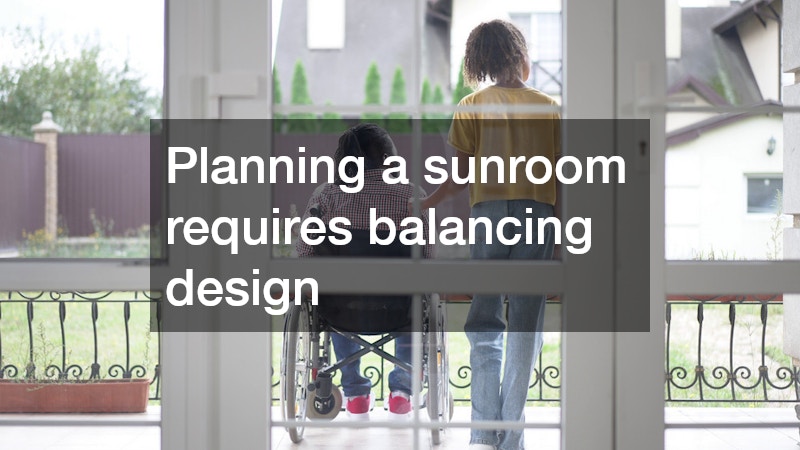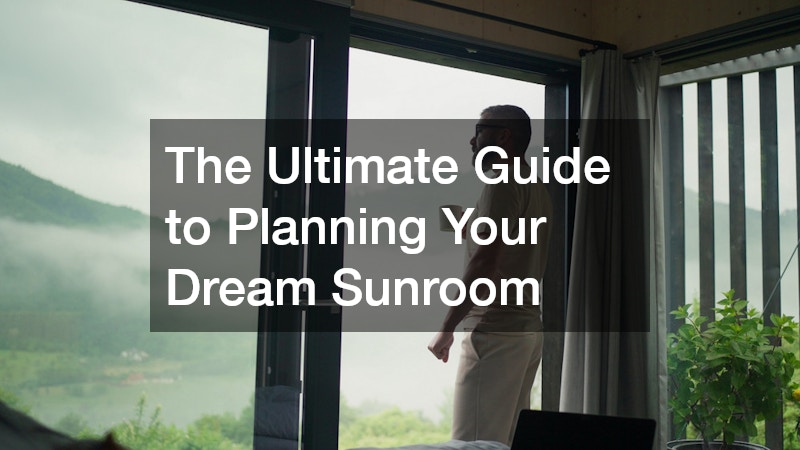
A sunroom can transform the way you experience your home, creating a bright, comfortable space that bridges the indoors and outdoors. Whether you envision a quiet reading nook, a plant-filled retreat, or an extension of your living area for entertaining, a well-planned sunroom adds both lifestyle value and functional square footage. The key to a successful project lies in thoughtful planning—from design and materials to budgeting and long-term usability.
This guide walks through the essential considerations for building your dream sunroom so you can make informed decisions before construction begins.
Define How You’ll Use the Space
Before diving into design details, the most important step is clarifying the purpose of your sunroom. This decision influences everything from size and layout to insulation and furnishing.
Some homeowners want a casual relaxation space filled with natural light and minimal furniture. Others design sunrooms as full dining areas, home offices, or entertainment zones. If the space will be used year-round, you’ll need to plan for heating, cooling, and insulation. A seasonal sunroom, on the other hand, can prioritize ventilation and light over thermal performance.
By defining the primary function early, you prevent costly design changes later and ensure the space supports your daily routine.
Choose the Right Sunroom Style
Sunrooms come in several architectural styles, each offering a different balance of aesthetics, cost, and functionality.
A three-season sunroom is typically the most affordable option, designed for spring through fall use. It often features single-pane glass and minimal insulation. A four-season sunroom is more robust, built with insulated glass and climate control systems so it can be enjoyed year-round.
You’ll also need to decide whether your sunroom will be integrated into your home’s existing structure or built as a standalone addition. An integrated design creates a seamless transition between indoor and outdoor living spaces, while a detached structure can offer more flexibility in placement and design.
Plan for Light, Orientation, and Comfort
One of the biggest advantages of a sunroom is natural light, but too much sun exposure can lead to overheating or glare issues if not properly managed.
The orientation of your sunroom matters significantly. South-facing rooms receive the most sunlight throughout the day, making them ideal for colder climates but potentially too warm in the summer months. North-facing sunrooms tend to have softer, more consistent lighting, which can be better for plant growth or workspaces. East- and west-facing rooms offer morning or afternoon light, respectively, depending on your preference.
Select Durable Materials and Finishes
Because sunrooms are exposed to more sunlight and temperature fluctuations than other rooms, material durability is critical.
Flooring should be chosen with both aesthetics and resilience in mind. Tile, luxury vinyl, and treated concrete are popular options because they resist fading and moisture. Carpet can be used, but it may require more maintenance due to sun exposure.
Walls and framing materials should also be selected for longevity. High-quality aluminum or vinyl framing offers strong resistance to weathering, while wood framing provides a warm, natural appearance but may require sealing or painting over time.
Glass quality is another key factor. Double-pane or insulated glass helps maintain indoor temperature stability and reduces energy costs.
Integrate Heating, Cooling, and Ventilation
If you want to use your sunroom year-round, climate control becomes essential. Depending on your home’s existing HVAC system, you may be able to extend ductwork into the space or install a separate mini-split system for efficient heating and cooling.
Proper ventilation is equally important. Without airflow, sunrooms can quickly become too hot in summer or too humid in colder months. Operable windows, ceiling fans, and strategically placed vents help maintain air circulation.
In colder climates, radiant floor heating can be a comfortable and energy-efficient option that enhances usability without taking up wall space.
Factor in Roofing and Structural Design
The roof design of a sunroom plays a major role in both aesthetics and performance. A solid roof extension can make the space feel like a natural part of the home, while a glass or polycarbonate roof creates a greenhouse-like atmosphere filled with light.
Choosing the right sunroom roof design also affects insulation, energy efficiency, and long-term maintenance. A well-insulated roof helps regulate temperature and reduce energy costs, especially in four-season sunrooms.
Structural integrity is equally important. The foundation and framing must support the added weight of glass, roofing materials, and potential snow or wind loads, depending on your region. Working with experienced builders ensures your sunroom is both safe and compliant with local building codes.
Budget Realistically and Plan for Long-Term Value
Sunroom costs vary widely based on size, materials, and level of customization. It’s important to establish a realistic budget that accounts not only for construction but also for permits, utilities, and finishing touches.
While it may be tempting to cut costs upfront, investing in quality materials and professional installation often pays off in long-term durability and energy efficiency. A well-built sunroom can also increase your home’s resale value, making it a worthwhile investment when designed thoughtfully.
Don’t forget to budget for furnishings and décor. Comfortable seating, lighting, and storage solutions help transform the structure into a truly usable living space.
Planning a sunroom requires balancing design, functionality, and long-term performance. From choosing the right layout and materials to ensuring proper climate control and structural integrity, every decision contributes to how the space will feel and function over time.
When thoughtfully designed, a sunroom becomes more than just an addition—it becomes one of the most enjoyable areas of the home. With the right planning, it can serve as a year-round retreat that enhances both your lifestyle and your property’s value.