Energy efficiency is a top priority for property owners looking to lower utility bills and reduce environmental impact. Roofing plays a critical role in how well a building retains conditioned air and resists outside temperatures. An inefficient roof can allow heat to escape in the winter and penetrate in the summer, forcing HVAC systems to work harder than necessary. One increasingly popular solution for improving performance in all seasons is spray foam roofing. This system creates a seamless barrier that helps stabilize indoor temperatures and reduce energy waste throughout the year.
How Insulation Performance Impacts Energy Use
The effectiveness of any roof system largely depends on its insulation performance. Insulation is measured by its R-value, which indicates how well it resists heat flow. The higher the R-value, the better the insulation. When a building’s roof lacks sufficient insulation, heat transfer occurs more easily. During colder months, warm air rises and escapes through the roof. In warmer months, solar heat penetrates downward into the structure.
Traditional roofing systems often rely on layered materials and mechanical fasteners that can leave gaps or weak points. Over time, these vulnerabilities may lead to energy loss and higher utility costs. By contrast, spray foam roofing expands upon application, filling cracks, seams, and small openings that would otherwise allow air leakage. This seamless coverage helps maintain a consistent indoor environment, reducing the need for constant heating or cooling adjustments.
Reducing Heat Gain in the Summer
Summer heat can significantly increase cooling expenses, especially in regions with long, hot seasons. Dark or poorly insulated roofs absorb and transfer solar radiation into the building below. This heat gain forces air conditioning systems to run longer and more frequently.
A properly installed spray foam roofing system forms a continuous layer that minimizes heat transfer. Many systems are also coated with reflective materials designed to deflect sunlight rather than absorb it. This reflective surface reduces roof surface temperatures and limits the amount of heat entering the structure.
The result is a cooler interior environment and decreased reliance on air conditioning. Lower energy demand not only reduces utility bills but can also extend the lifespan of HVAC equipment by decreasing overall strain. Over time, the savings associated with improved thermal performance can offset installation costs.
Preventing Heat Loss in the Winter
Energy efficiency is not only a summer concern. In colder months, buildings lose heat through poorly insulated roofs. When warm air escapes, heating systems must compensate, increasing energy consumption and expenses.
Because spray foam roofing adheres directly to the existing surface and expands to seal gaps, it forms an airtight barrier. This barrier significantly reduces air infiltration and heat loss. The insulation properties help trap warm air inside, maintaining a more stable indoor temperature.
In addition, eliminating drafts and air leaks contributes to greater comfort for occupants. A building that maintains even temperatures is less likely to experience cold spots or fluctuating indoor conditions. By improving thermal resistance in winter, this roofing approach supports consistent energy savings throughout the year.
Enhancing Air Sealing and Moisture Control
Beyond insulation, air sealing plays a vital role in overall energy efficiency. Even small leaks around seams, joints, or penetrations can compromise performance. Traditional roofing systems often rely on multiple components that may shift or deteriorate over time.
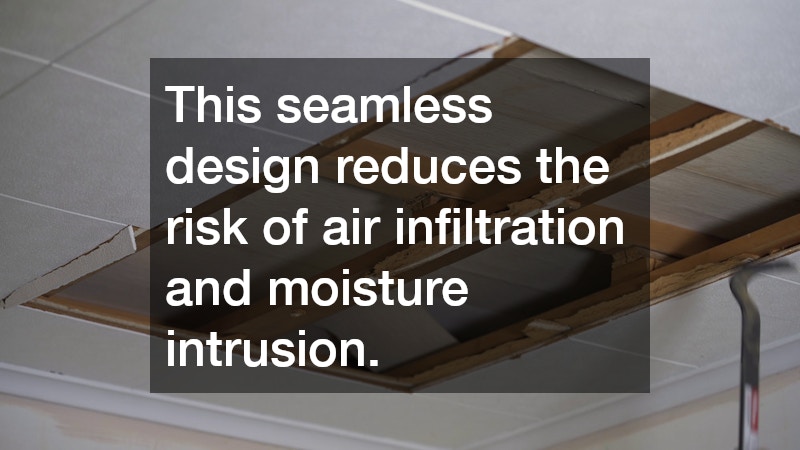
Spray foam roofing stands out because it creates a monolithic surface without seams. This seamless design reduces the risk of air infiltration and moisture intrusion. Moisture control is particularly important because wet insulation loses effectiveness and can lead to mold growth or structural damage.
By forming a protective barrier, this system helps maintain the integrity of the building envelope. Reduced moisture infiltration means insulation retains its intended R-value, ensuring continued efficiency. A dry, sealed roof system supports healthier indoor air quality and contributes to long-term durability.
Energy efficiency depends on a well-designed building envelope, and the roof is one of its most critical components. A system that provides strong insulation, reliable air sealing, and effective moisture control can significantly reduce energy waste in every season. Spray foam roofing offers these advantages by creating a seamless, insulated barrier that minimizes heat gain in summer and prevents heat loss in winter.
With lower heating and cooling demands, property owners can enjoy reduced utility bills, improved indoor comfort, and extended equipment lifespan. As energy costs continue to rise, investing in high-performance roofing solutions can provide year-round benefits that support both financial savings and environmental responsibility.
In addition to immediate energy savings, this roofing solution can also contribute to sustainability goals and improved building performance ratings. Lower energy consumption reduces a property’s carbon footprint and may support compliance with local energy codes or green building standards. Over time, consistent efficiency gains combined with minimal maintenance needs make it a practical, long-term investment for both commercial and residential structures seeking dependable, year-round performance.