Creating an attractive and functional outdoor space requires more than choosing plants and arranging them around a property. The materials used throughout a yard can influence its appearance, usability, durability, and maintenance needs. From decorative features to practical materials, each component can contribute to a cohesive outdoor environment.
Choosing appropriate materials also requires consideration of the property’s layout, climate, existing features, and intended use. Whether updating a small garden area or developing a larger outdoor space, selecting materials that complement one another can help achieve a polished result.
Understanding the different options available makes it easier to create an outdoor area that meets both aesthetic and practical goals.
Selecting Materials for Functionality
Function should be one of the first considerations when choosing materials for an outdoor project. Different areas of a property may require different types of products based on how they will be used. Walkways need durable surfaces that can withstand regular foot traffic, while planting beds may benefit from edging materials that help keep soil and mulch contained.
Materials should also work with the property’s existing conditions. Drainage, soil, sunlight, weather exposure, and available space can all affect which options are appropriate. Choosing materials based on their intended purpose can help prevent unnecessary replacements and maintenance later.
When comparing landscaping products, property owners can consider factors such as durability, installation requirements, appearance, and upkeep. A material that looks appealing but requires extensive maintenance may not be suitable for every property. Considering practical needs alongside appearance can lead to a more useful outdoor space.
Incorporating Hardscape Features
Hardscaping provides structure and definition within an outdoor area. Pavers, retaining wall materials, stepping stones, edging, and decorative stone can be used to establish boundaries and create distinct spaces. These features can also make a yard easier to navigate while providing visual contrast against plants and other natural elements.
Walkways are particularly useful for connecting different parts of a property. A clearly defined path can guide visitors toward entrances, patios, gardens, or other areas without requiring them to walk through planting beds. The selected surface should provide appropriate stability and complement the surrounding landscape.
Patios and other gathering areas can also expand how an outdoor space is used. Materials can be selected based on the desired appearance and expected level of activity. Coordinating hardscape materials across multiple areas can create continuity and help the property feel more organized.
Adding Plants and Decorative Elements
Plants bring color, texture, and natural character to an outdoor space. Trees, shrubs, flowers, ornamental grasses, and ground covers can each serve different purposes. Some may provide shade or privacy, while others can define planting beds or add seasonal color.
The materials surrounding plants can enhance their appearance. Mulch, decorative stone, planters, borders, and other features can help frame vegetation and create separation between different areas. Using complementary textures and materials can make individual planting areas feel connected.
Decorative elements can provide additional personality without overwhelming the property. Garden structures, containers, accents, and other features can serve as focal points when placed thoughtfully. The goal is to create visual interest while maintaining a balanced appearance throughout the yard.
Planning for Maintenance and Longevity
Maintenance should be considered when selecting materials for an outdoor project. Some products may require regular cleaning, repositioning, replacement, or other upkeep, while others are intended to provide long-term performance with relatively little attention. Understanding these requirements can help property owners choose options that fit their available time and resources.
Weather conditions should also influence material choices. Outdoor features are exposed to rain, sunlight, temperature changes, and other environmental conditions. Selecting materials suited to the local climate can help preserve their appearance and functionality over time.
Proper installation is another important factor. Even high-quality materials may perform poorly when they are not installed correctly. Preparing surfaces, establishing appropriate drainage, and following manufacturer recommendations can help reduce problems such as shifting, erosion, pooling water, or premature deterioration.
Landscaping products can also be selected with future maintenance in mind. For example, properly defined planting beds can make mowing easier, while strategically placed edging can reduce the movement of soil or mulch. Thinking about routine upkeep during the planning stage can make the finished property easier to manage.
A successful outdoor space combines practical materials with features that complement the property’s overall appearance. Durable hardscape surfaces can establish pathways and gathering areas, while plants and decorative accents add natural beauty and visual interest. Each material should serve a purpose while working harmoniously with the surrounding features.
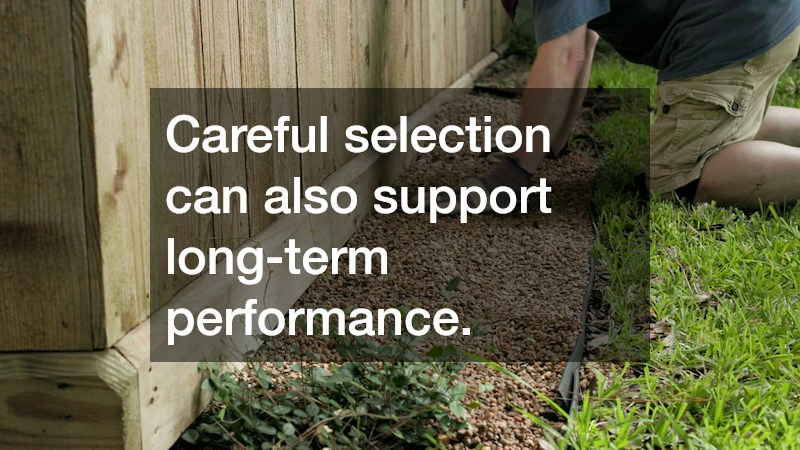
Careful selection can also support long-term performance. Considering climate, maintenance requirements, installation needs, and intended use allows property owners to make informed choices before beginning an outdoor project. With the right landscaping products, an outdoor area can become a functional extension of the property while maintaining a cohesive and appealing appearance.